The Ultimate Guide to Metadata Validation: Why Every Creator Needs an Audio Length Checker
In the modern digital publishing landscape, precision is no longer a luxury; it is an absolute technical requirement. Whether you are syndicating a high-profile corporate podcast across major streaming directories or configuring interactive audio modules for an enterprise SaaS platform, understanding the exact boundaries of your timeline is paramount. Any minor miscalculation in runtime metadata can ripple through distribution channels, creating synchronization errors, broken feeds, and severely degraded user experiences. This is precisely where a professional audio length checker shifts from a simple diagnostic utility into an indispensable asset within your production workflow.
When media hosting platforms parse your uploaded files, they rely heavily on embedded header tags and raw bitstreams to calculate total playback time. However, dynamic encoding mechanisms frequently inject irregularities that basic web uploaders fail to interpret correctly. Utilizing a dedicated audio length checker guarantees that your structural metadata mirrors reality down to the millisecond, shielding your content ecosystem from delivery failures and data truncation.
Enforce clean header compilation to eliminate mismatches between file length indicators and true play times during RSS ingestion.
Ensure seamless time-stamp alignment across Apple Podcasts, Spotify, YouTube Audio, and custom web players automatically.
The Underlying Science of Digital Audio Duration Extraction
To fully grasp why an automated audio length checker is required, one must explore how digital containers store temporal information. An audio file is not merely a sequence of acoustic waves; it is a complex container housing encoded data streams wrapped in structured headers. In an uncompressed WAV container, calculating duration is relatively straightforward, as the file size maps linearly to time based on consistent sample rates and bit depths.
However, compressed formats like MP3, AAC, or Opus present deep technical obstacles. For instance, an MP3 file consists of thousands of individual audio frames, each representing a fixed number of samples (typically 1,152 samples per frame). If a file is compressed using Constant Bitrate (CBR), a web system might guess its length using a primitive calculation based on total file size divided by bitrate. But when dealing with Variable Bitrate (VBR) files, this method fails completely. Without scanning the entire frame topography via an advanced audio length checker, an accurate length reading is practically impossible, leading to clipping or unwanted silence at the end of a track.
“Relying on file size alone to predict playback duration introduces dangerous margin-of-error tolerances. Advanced validation tools parse frame headers sequentially to extract absolute time markers safely.”
When you pass an asset through a specialized audio length checker, the software bypasses superficial filesystem approximations. It meticulously executes a frame-by-frame structural audit, counting the precise payload allocations and reading the explicit data fields embedded within the metadata headers. This level of verification prevents downstream errors where an app player stops rendering audio early because the container header misreported the true track boundaries.
Why Standard Media Players Fail at Runtime Auditing
Many digital media creators assume that checking file properties inside a native desktop operating system or standard media player provides adequate duration insights. This misconception frequently compromises the integrity of automated syndication pipelines. Standard commercial players are optimized for rapid playback initialization, meaning they often skim only the initial kilobytes of a file’s header to generate an instant duration estimate.
If your file contains a corrupted or improperly written header—a common occurrence when exporting from unoptimized browser-based rendering tools or older digital audio workstations—the operating system will show inaccurate metadata. A premium, cloud-native audio length checker treats the file as an active data payload, cross-examining header declarations against actual frame indexes. This ensures that what your production team sees matches what distribution algorithms process during automated content ingestion.
The Critical Impact of Duration Discrepancies on RSS Syndication
For podcasters and digital syndicators, RSS feed validation is heavily tied to file precision. Platforms like Apple Podcasts and Spotify require strict adherence to standard XML tags, including the crucial <itunes:duration> tag. If the time value written into this tag does not perfectly match the audio length processed by the platform’s internal ingestion bots, your episode can face systematic optimization penalties or immediate submission rejection.
By integrating an audio length checker directly into your pre-flight quality control routine, you eliminate the risk of metadata mismatch. When these platform bots scan your RSS feed, they verify that file byte size, server content-length indicators, and literal duration tags align. If a conflict occurs, streaming platforms may experience rendering lag, or worse, cut off user playback mid-stream. Auditing your assets before publication safeguards your analytics from fragmentation caused by premature session abandonment.
| Audio Format | Encoding Type | Duration Estimation Risk | Audio Length Checker Necessity |
|---|---|---|---|
| WAV (PCM) | Constant (Uncompressed) | Low (Linear byte structure) | Recommended for header health |
| MP3 (CBR) | Constant Bitrate | Medium (Prone to ID3v2 packing errors) | Highly Recommended |
| MP3 (VBR) | Variable Bitrate | Extreme (High chance of index drifting) | Mandatory for RSS feeds |
| M4A / AAC | Variable/Constant | High (Prone to container parsing glitches) | Mandatory for platform distribution |
Furthermore, maintaining exact duration counts directly impacts how your show is displayed inside search engine results pages (SERPs). Modern search engine spiders actively parse structured audio schema to feature direct playback timelines within rich search snippets. A verified file processed by a reliable audio length checker provides clean data fields, allowing search bots to index your dynamic content accurately without flagging structural metadata anomalies.
Integrating Duration Audits with Loudness and Scripting Workflows
Audio engineering is an interconnected ecosystem where one technical parameter directly influences another. For instance, calculating accurate file sizes or determining optimal hosting budgets requires knowing your exact track duration. If you utilize an Audio Duration Calculator to forecast storage requirements, feeding that calculator inaccurate length metrics from the start invalidates your hosting budget predictions.
Similarly, modern automated workflows heavily link duration validation with programmatic analysis. When checking file structure via an audio length checker, developers often pass that exact duration metric downstream to a specialized Transcript Analyzer. This helps calculate word-per-minute metrics, pinpoint filler word density, and map text transcripts to precise timeline positions. If the initial audio length calculation is off by even a few frames, your entire automated transcription alignment will suffer from cumulative timeline drift.
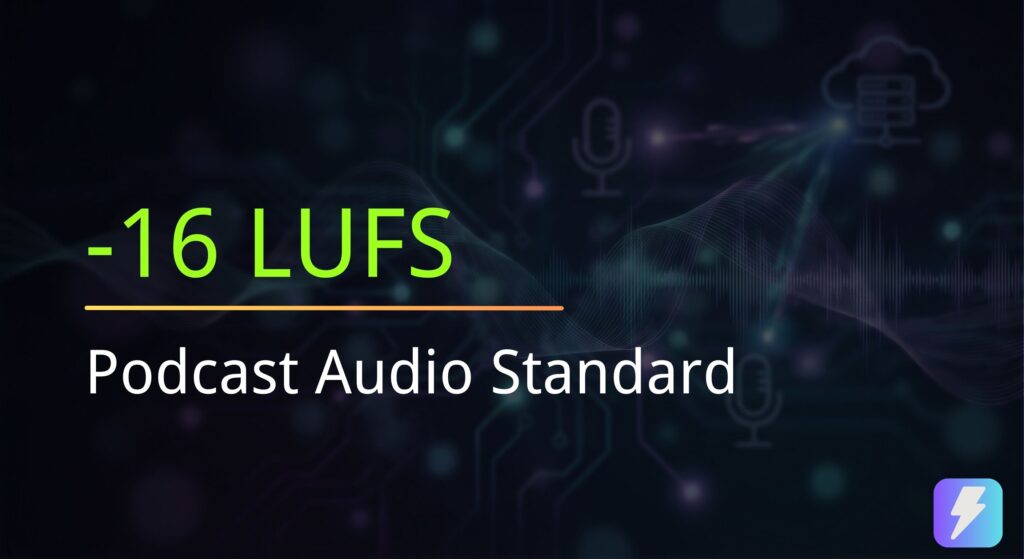
Loudness normalization pipelines also rely heavily on precise time windows. To ensure your track passes international streaming standards safely, you must analyze integrated loudness across the entire file. If your system relies on broken duration tags, it may compute faulty average values. Running a secure audio length checker ensures your loudness analysis engines map exactly to the true timeline boundaries of the asset, preserving target dynamics across all streaming endpoints.
Step-by-Step Production Guide: Verifying Assets Before Publication
To implement an elite quality assurance protocol that guarantees zero distribution errors, follow this structured validation workflow before pushing any media asset live to production hosting environments:
- Step 1: Raw Render Verification – After exporting your master audio file from your DAW, run the file through an online audio length checker to establish a baseline duration reading down to the millisecond.
- Step 2: Compare Metadata vs Reality – Cross-reference the checker’s output against the time metadata displayed by your hosting platform’s draft dashboard to confirm perfect file header synchronization.
- Step 3: Execute Feeds Inspection – If you are appending custom media enclosures to an XML feed, utilize a dedicated Podcast RSS Validator to verify that the structural duration tags perfectly reflect your audited file lengths.
- Step 4: Check Volume Compliance – Pass your verified track through a professional volume auditing workflow, utilizing a comprehensive Loudness Penalty Analyzer Free Guide to secure target LUFS thresholds before publishing.
By cementing this multi-layered optimization strategy, your production pipeline remains completely insulated from technical delivery errors. This careful attention to detail protects your platform rankings, maintains consistent user experience metrics, and establishes your digital brand as a highly authoritative and technically sound ecosystem.